
When a device is going to be connected to a patient, or sit inches from one, "it usually works fine" isn't good enough. Every engineer designing medical equipment eventually asks the same question: how do I keep a patient and operator completely isolated from mains voltage, while making sure the power stage never becomes the reason a machine goes down mid-procedure? A 4kV medical isolation toroidal transformer with auto-resetting thermal protection is built to answer exactly that — and the benefits show up long after the datasheet is filed away.
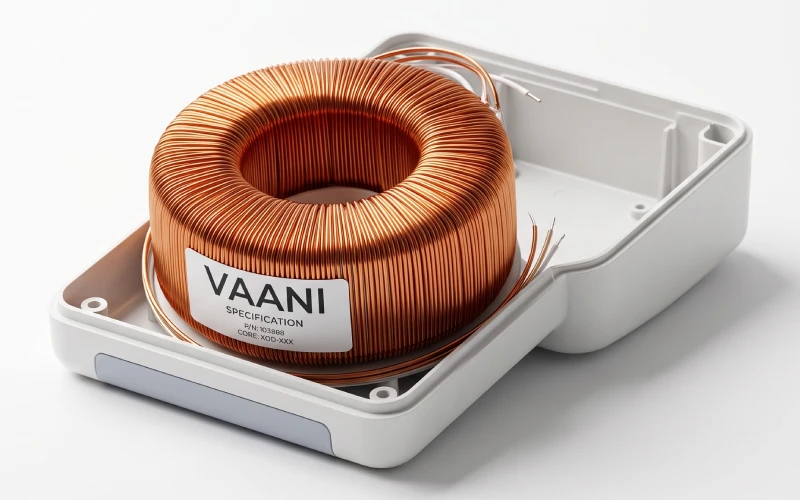 A medical-grade isolation transformer built for patient-connected equipment
1. Real Shock Protection, Not Just a Spec Sheet Number
"Isolation" is a word that gets used loosely, so here's what it means for you in practice: 4,000V of dielectric strength between the primary and secondary side is the margin that stands between a mains fault and a patient. It's well above what a general-purpose power transformer offers, which is exactly why it matters for equipment that touches a patient directly — ECG leads, monitoring probes, diagnostic sensors, or anything an operator holds while connected to the device. You get a wide, verified safety buffer instead of a bare-minimum one, which is what medical safety approval actually demands.
The Bottom Line
A 4kV isolation rating isn't a nice-to-have number — it's the difference between a device that merely functions and one that's genuinely safe to have connected to a human being, every single time it's powered on.
2. No Blown Fuses, No Service Calls: What Auto-Reset Thermal Protection Buys You
A standard thermal fuse does its job once — it trips on a fault and then has to be physically replaced before the equipment runs again. In a hospital, that means a technician, a work order, and a monitor or pump sitting unavailable until someone gets to it. An auto-resetting thermal switch changes that equation: it disconnects power the moment the transformer runs hotter than it should, then automatically restores power once temperatures return to a safe range — no disassembly, no replacement part, no waiting on a service ticket. For equipment that's expected to be available around the clock, that self-recovery is the difference between a brief pause and a piece of critical equipment being out of service.
3. Cleaner Power Means More Accurate Readings
Medical monitoring equipment is only as trustworthy as the signal it reads — a patient monitor picking up electrical noise from its own power supply can turn into false alarms or, worse, a missed one. A transformer built with contained magnetic flux keeps electromagnetic interference low, so it isn't bleeding noise into the sensitive circuitry sitting right next to it. The practical benefit is a monitor, diagnostic scanner, or infusion controller that reports what's actually happening with the patient, instead of what its own power supply is adding to the signal.
4. Efficient, Cool-Running Power for Enclosures That Can't Afford to Overheat
Medical devices are usually built compact — a patient monitor, ventilator, or bedside pump doesn't have room for a large, hot power stage venting heat into a sealed enclosure. A high-efficiency transformer wastes less energy as heat in the first place, which means less thermal stress on the electronics around it, longer service life for the whole device, and lower running costs across a hospital's entire fleet of equipment. Efficiency here isn't just an energy-bill benefit — it's what keeps the electronics next to it reliable for years of continuous use.
Where This Level of Protection Actually Matters
Not every product needs a 4kV rating, but anything patient-connected or safety-critical benefits directly from it:
Final Thoughts
For equipment that's connected to a patient, "good enough" isolation isn't a risk worth taking. At Vaani, we build 4kV medical isolation transformers around CRGO cores and 100% electrolytic copper windings, fitted with auto-resetting thermal protection, so the device you're building delivers the safety margin, uptime, and clean power that patient-connected equipment demands — without you having to compromise on any of the three.